About me
Professional Identity
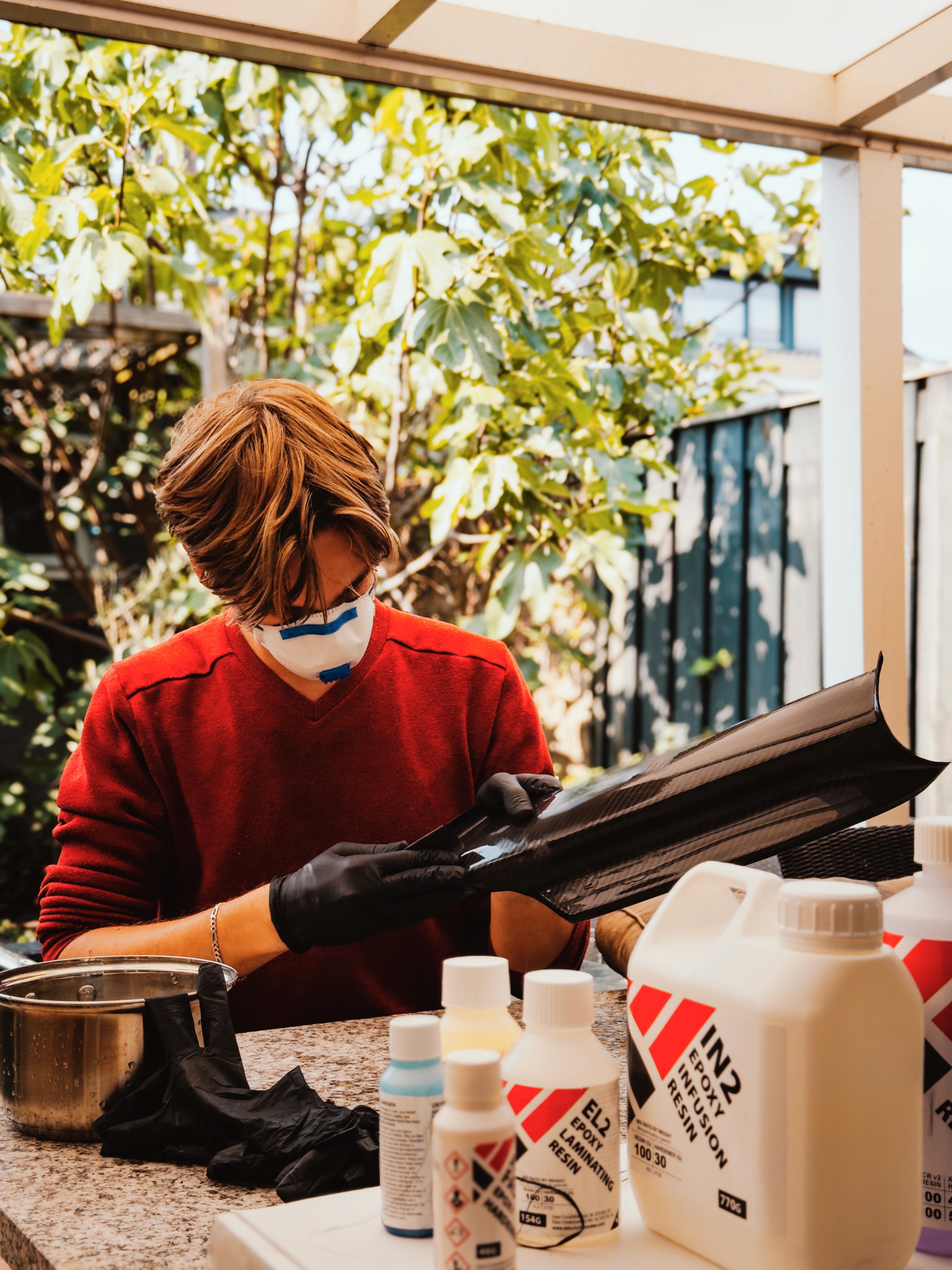
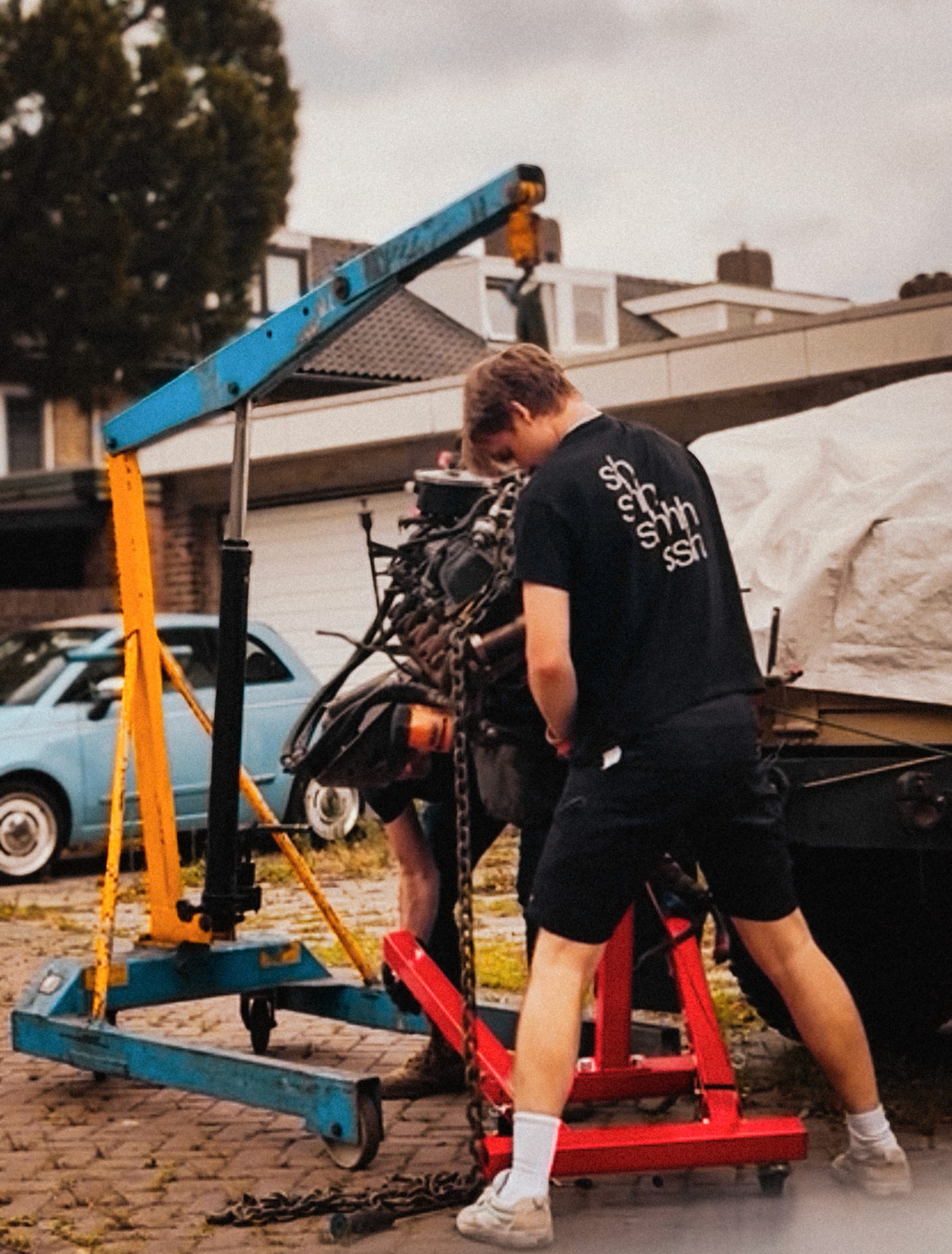
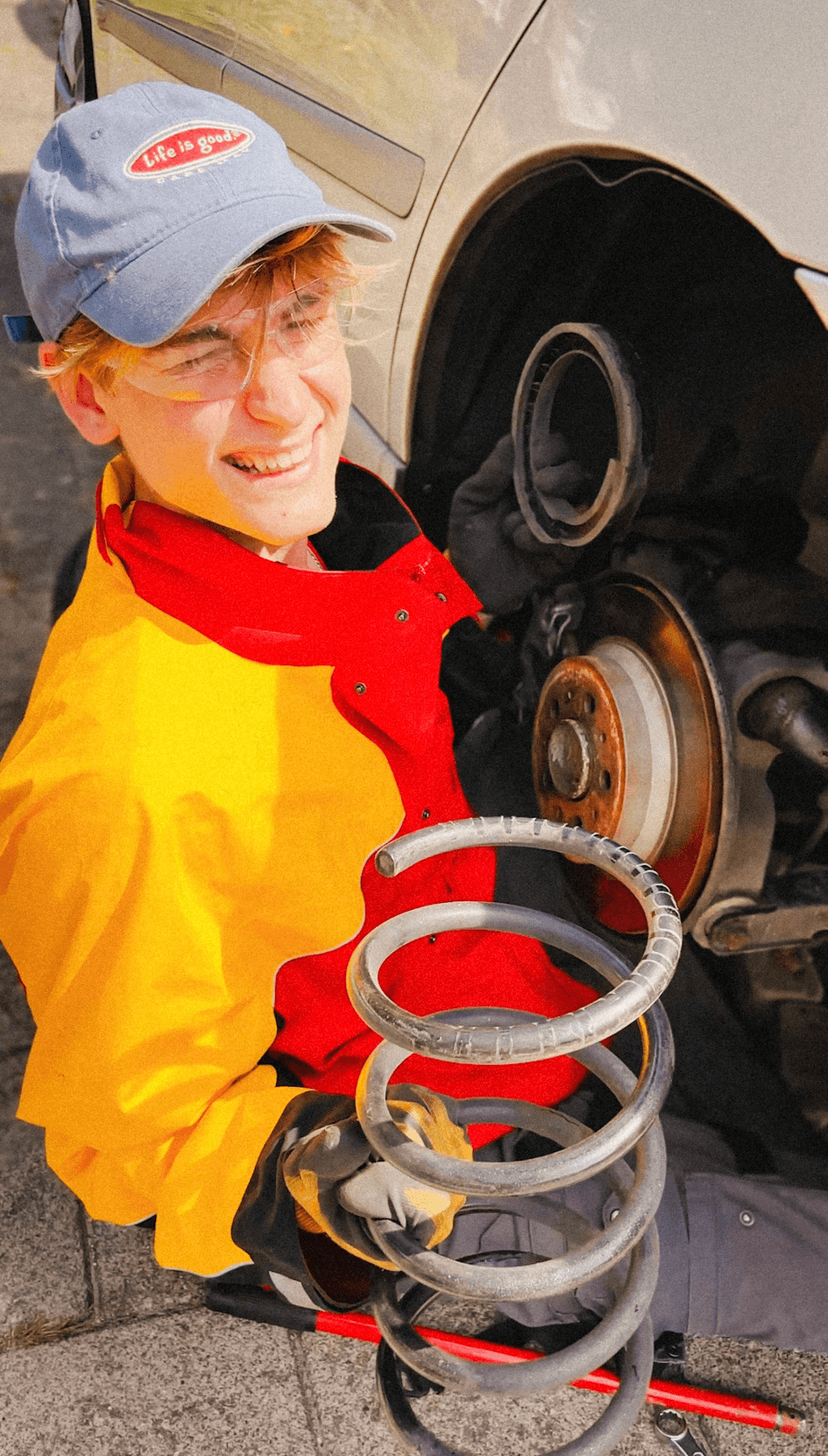
Hi, I’m Oskar, an Industrial Design student based in Eindhoven. My professional identity has been shaped by resourcefulness, curiosity, and a practical understanding of how people interact with products. My journey into design began with repairing and rebuilding things out of necessity, from computers to bikes. Over time, this developed into a passion for creating products that are practical, visually refined, and designed to remain useful for a long time.
Before studying industrial design, I worked in computer repair and freelance media. These experiences strengthened my problem-solving skills, creativity, and attention to detail, while teaching me to examine products from both technical and visual perspectives.
For more than a decade, I have also been involved in cycling as a rider, amateur racer, mechanic, designer, and media creator. I repaired bikes for clients, produced promotional content, and collaborated with cycling brands such as Radon Bikes. This hands-on experience gave me an understanding of mechanics, materials, ergonomics, maintenance, and user needs.




oskarmalage@gmail.com
Phone
+420 737 012 789
Native Languages
English, Spanish, Polish
Intermediate Level Languages
Dutch, Italian, Czech
As the cycling industry began to change, I broadened my academic and professional direction toward automotive and industrial product design. These fields provide opportunities to work within multidisciplinary teams and combine design with engineering, materials, manufacturing, and business considerations.
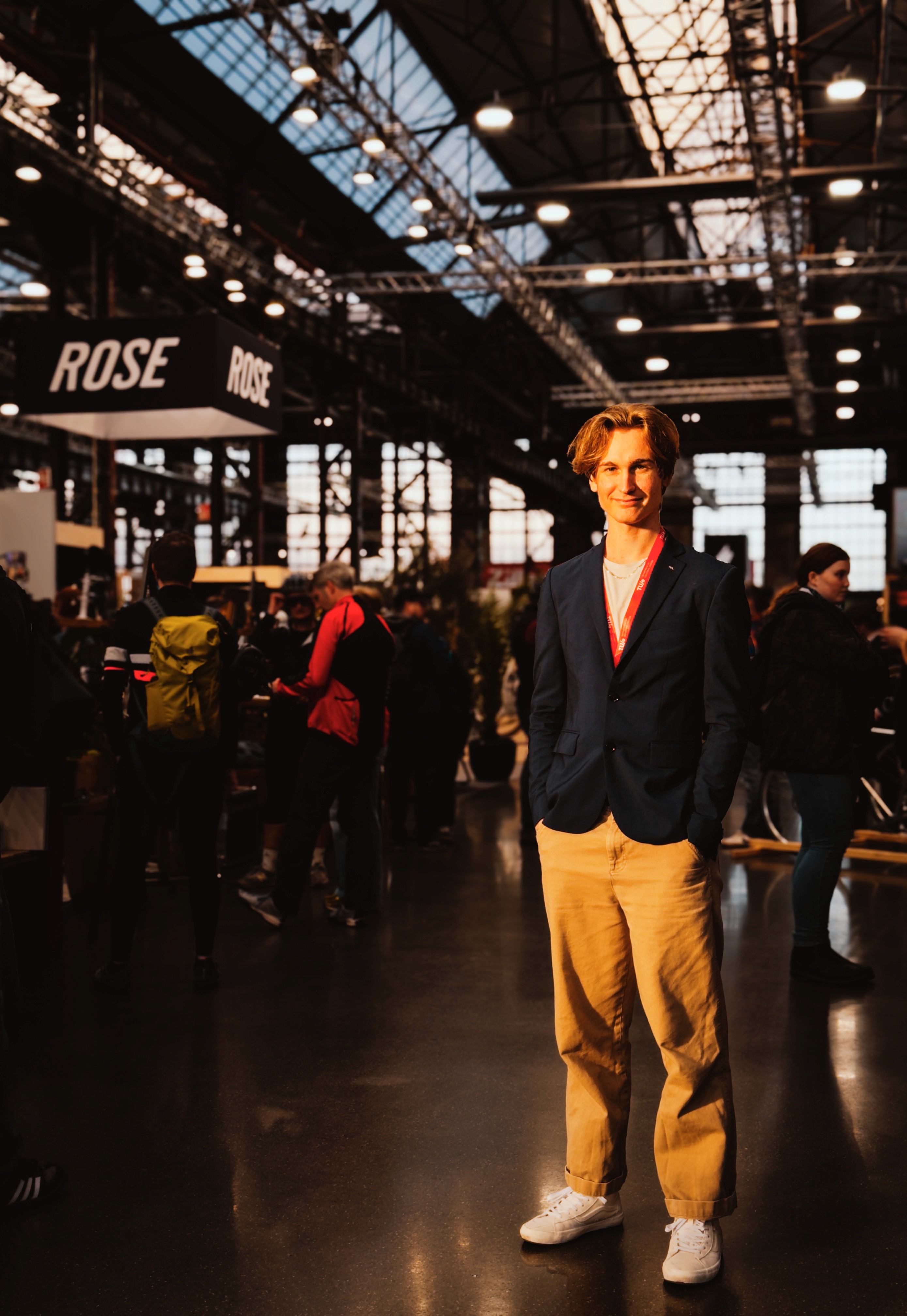
At TU/e, I developed a formal understanding of user-centred design, aesthetics, functionality, prototyping, and manufacturing. I learned that form and user experience are central to the designer I want to become, but that expressive design must also respond to feasibility, manufacturability, repairability, accessibility, and ease of use. My work therefore combines visual development with research, CAD, physical prototyping, and consideration of how products will be produced and maintained.
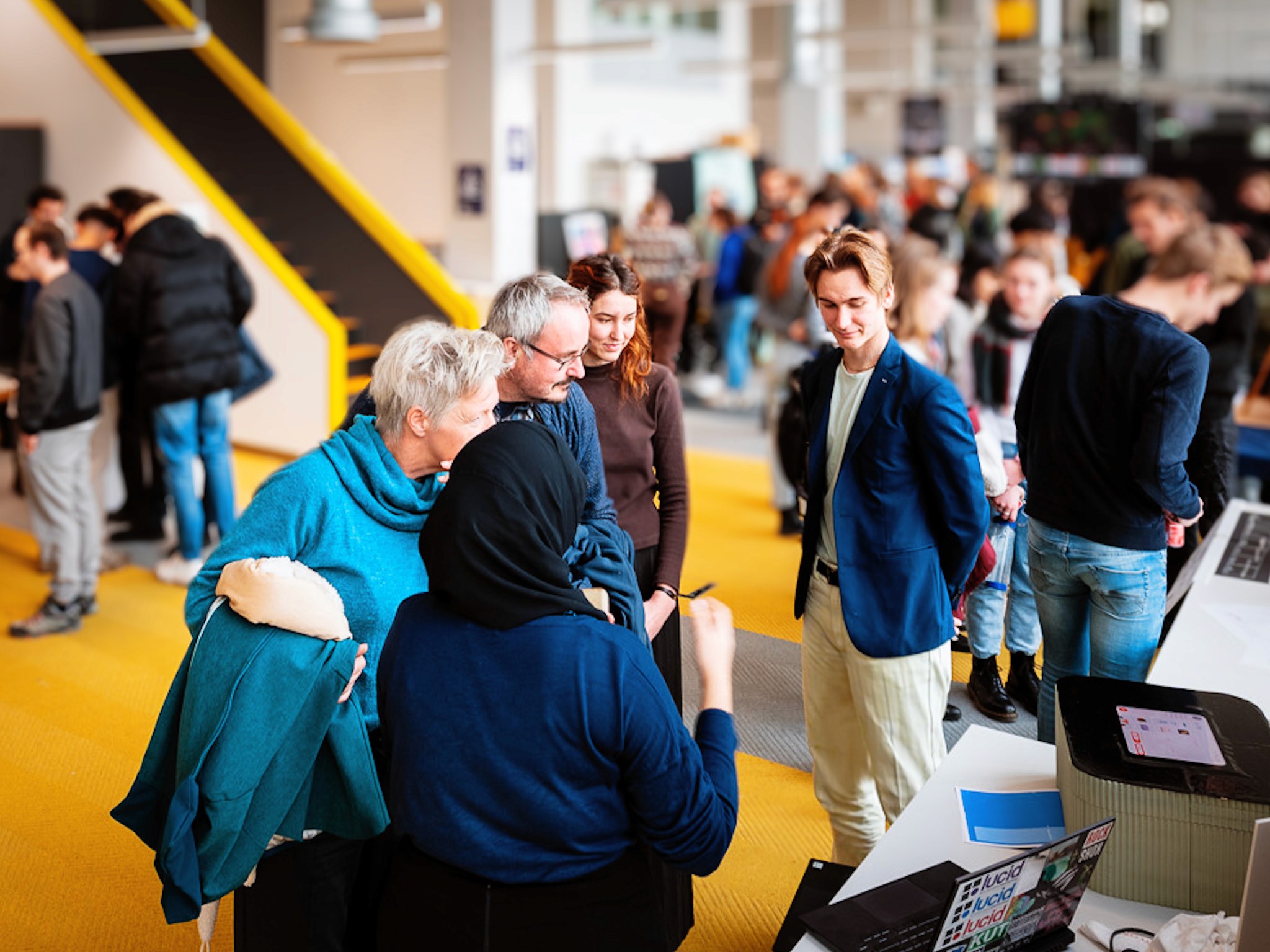
My business courses, startup experience, and collaborations with companies further developed my entrepreneurial and industry-focused perspective. I learned that design does not exist in isolation: it must respond to users, technical limitations, production methods, suppliers, business requirements, and market conditions. This allows me to contribute across different stages of product development, from research and concept generation to visualization, prototyping, supplier communication, and implementation.
My design process begins by understanding the context, users, stakeholders, and constraints. I then explore broadly through research, sketching, visual references, and physical or digital prototypes. I prefer to begin with ambitious ideas and subsequently determine how they could be manufactured, tested, or adapted. This approach allows me to connect creative exploration with technical feasibility.
I work well within multidisciplinary teams and am particularly interested in projects where designers, engineers, material specialists, and business stakeholders contribute different perspectives. My background allows me to communicate across these disciplines and to understand both visual design intentions and practical implementation concerns.
At my core, I am a maker and problem-solver. I enjoy repairing, experimenting, sketching, modelling, prototyping, and improving. What distinguishes my practice is the combination of a repair-oriented mindset, visual communication skills, technical understanding, and experience with real products and industrial processes.
Vision
I want to create products that are visually refined, understandable, and relevant to the people they are designed for, while remaining technically feasible and responsible throughout their lifecycle.
Sustainability is one of the main principles guiding this vision. I believe it is most effective when it is embedded into the structure and logic of a product rather than added later as a feature or marketing claim. Products should be designed from the beginning with durability, repairability, recyclability, modularity, and disassembly in mind. This means considering how components can be accessed, replaced, separated, upgraded, maintained, and eventually recovered or recycled (Bakker et al., 2014; Bocken et al., 2016).
For me, repairability means more than making a product technically possible to repair. The product architecture should allow relevant components to be reached without unnecessary disassembly, use removable fasteners where appropriate, and account for the availability of tools, replacement parts, and repair information (De Fazio et al., 2021). Designing in this way can help products remain functional and relevant for longer.
Modularity is also relevant to this approach because the way functions are allocated to components and interfaces affects whether parts can be independently replaced, upgraded, reused, or adapted (Ulrich, 1995). However, I do not view modularity as automatically sustainable; it must be applied where it meaningfully improves maintenance, adaptability, or end-of-life recovery.
I also want to design for a broad range of users. Accessibility should not be treated as an additional feature, but as part of the product’s basic usability. My aim is to create products whose purpose and operation can be understood without unnecessary cognitive effort and whose use does not depend on a narrow set of physical, sensory, or technical abilities (Clarkson et al., 2003).
I am particularly interested in rich, physical interaction that goes beyond screen-based interfaces. I want products to communicate their purpose through form, tactility, material behaviour, physical feedback, and feedforward (Djajadiningrat et al., 2004; Wensveen et al., 2004). A product should provide indications of what can be done, communicate the results of an action, and allow users to understand its state. Digital interfaces can support this experience, but they should not automatically replace physical interaction when a tactile or mechanical solution is clearer.
Visually, I aim to create designs that are refined and recognisable without depending excessively on short-lived trends. I value trend research and forecasting as ways of understanding cultural and market developments, but I prefer to use that knowledge to create products with their own identity and long-term relevance.
In the long term, I want to work at the intersection of design, engineering, and product development. My goal is to bring a bridging perspective to design-led companies: helping designers understand feasibility, usability, production, and technical constraints, while helping engineers recognise that technically effective solutions can also be visually coherent, intuitive, and expressive.
I also want to contribute to more efficient development processes. By bringing design and engineering perspectives together earlier, decisions can be tested sooner, unnecessary iterations can be reduced, and production considerations can inform design without eliminating creative ambition. I believe that when these disciplines genuinely inform one another, products become more attractive, usable, efficient, repairable, and meaningful.
Ultimately, I want to develop products that justify their production and continued use. They should provide clear functional value, create a considered user experience, and remain maintainable and relevant for as long as possible.
Services
Industrial Design / Product Design
CMF Design
Research & Development
Graphic Design
Automotive Interior Design
Branding & Visual Identity
Video Editing / Grading
Business Product Strategy
Design Research
Acoustic Experience Design
Design in Consideration of Composites
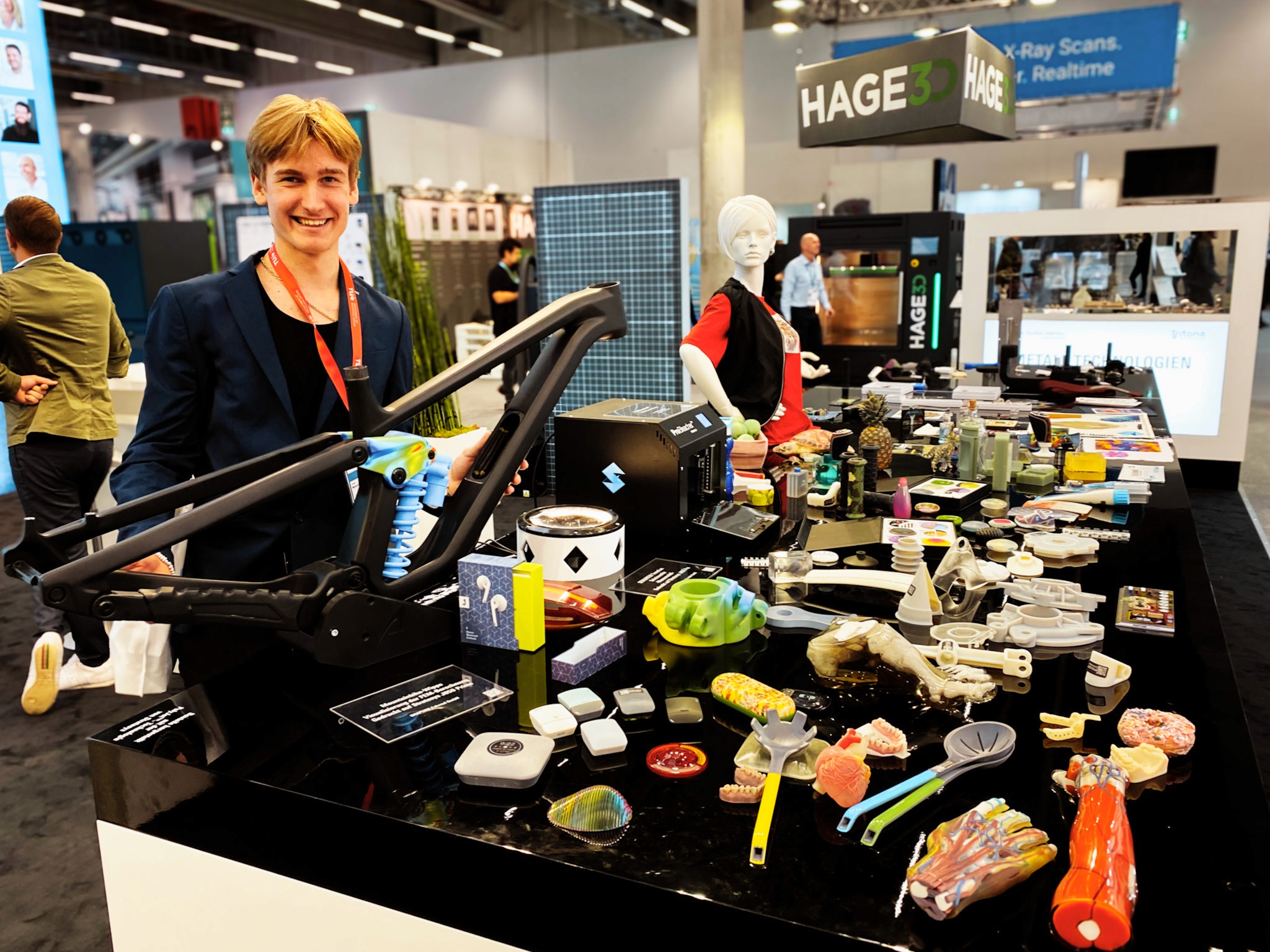
Functional Additive Manufacturing
Experience
June 2026 - Present
Research and Development | Audio & Sound
Integration of acoustic and sound innovations into future vehicle concepts.
2026 - May 2026
Research and Development | Audio & Sound | Thesis Project
Research and development of acoustic absorbers and surfaces.
2025 - 2026
Škoda Design
CMF Designer | Color & Trim Department | Intern
Researched, designed, and prototyped automotive loudspeaker concepts, integrating CMF design, acoustic optimization, sustainable materials, supplier collaboration, and manufacturing constraints within the Škoda Auto Design department.
April 2023 - 2025
FABRIQUE AI
Co-Founder
University Project evolved into startup.
2023
NDA
Research & Development
Focused on innovative carbon fibre weaving methods.
April 2021 - May 2021
H&S Bike-Discount GmbH | Radon Bikes
Social Media Content Creator (M/F/D)
Started as an Instagram promo photographer for @radonbikes. An accident cut the role short before the trial period ended.
September - December 2020
Freelance
Colorist / VFX Editor
Specialized in colour grading GoPro and drone footage for a niche client base. Also created the "Glowing Lines Effect" for social media content.
July - August 2020
JM Academy
Trainee Colorist
Trained in colour grading and correction for I34, cine, and BRAW formats. Final task involved restoring damaged footage.
March 2015 – January 2020
Freelance
Graphic Designer
Handled diverse commissions, including party/event posters, menu designs, storefront banners, and social media announcements.
Tools

Adobe Photoshop
16 years of experience in concept visualization.
Adobe Illustrator
Advanced Level in Logo Design
Autodesk Fusion 360
Advanced Level

Davinci Resolve Studio
Advanced Level in Colour Grading, Editing, light VFX.

Adobe Premiere
Advanced Level in Editing

Rhinoceros 3D
Proficient in modelling geometry and patterns.

CATIA V5
Familiarity with CATIA-based workflows

Autodesk Inventor
Advanced Level in simulations

Microsoft Office
Advanced Level

Blender
Advanced in Rendering and Visualization.

Python
Data Analysis, OpenCV, LLM

C#
Experience in videogame modifications.

HTML, CSS & JS
Web Development

Adobe Xd
App & Web Mockup Design

Adobe Lightroom (Classic & CC)
Expert Level in Photo Editing

SolidWorks
General Modelling

Adobe InDesign
Document Creation
Autodesk AutoCAD
Technical Drawing Experience
References
Bakker, C., Wang, F., Huisman, J., & Den Hollander, M. (2014). Products that go round: Exploring product life extension through design. Journal of Cleaner Production, 69, 10–16. https://doi.org/10.1016/j.jclepro.2014.01.028
Bocken, N. M. P., de Pauw, I., Bakker, C., & van der Grinten, B. (2016). Product design and business model strategies for a circular economy. Journal of Industrial and Production Engineering, 33(5), 308–320. https://doi.org/10.1080/21681015.2016.1172124
Clarkson, J., Keates, S., Coleman, R., & Lebbon, C. (Eds.). (2003). Inclusive Design. Springer. https://doi.org/10.1007/978-1-4471-0001-0
De Fazio, F., Bakker, C., Flipsen, B., & Balkenende, R. (2021). The Disassembly Map: A new method to enhance design for product repairability. Journal of Cleaner Production, 320, 128552. https://doi.org/10.1016/j.jclepro.2021.128552
Djajadiningrat, T., Wensveen, S., Frens, J., & Overbeeke, K. (2004). Tangible products: Redressing the balance between appearance and action. Personal and Ubiquitous Computing, 8(5), 294–309. https://doi.org/10.1007/s00779-004-0293-8
Ulrich, K. (1995). The role of product architecture in the manufacturing firm. Research Policy, 24(3), 419–440. https://doi.org/10.1016/0048-7333(94)00775-3
Wensveen, S. A. G., Djajadiningrat, J. P., & Overbeeke, C. J. (2004). Interaction frogger: A design framework to couple action and function through feedback and feedforward.: 5th ACM Conference on Designing Interactive Systems (DIS 2004). Across the Spectrum : Designing Interactive Systems ; DIS 2004, Cambridge, Massachusetts, 1-4 August 2004, 177–184.
Acknowledgement of AI Use
I acknowledge the use of generative artificial intelligence in the preparation of this portfolio. I utilized ŠkoPilot Family, the proprietary AI tool of Škoda, to check grammar and make the writing more concise. The prompts used included inputting my own original text and asking it to shorten text or correct grammar and sentence structures. The output from these prompts was used to aid in the process of writing up the written sections of this portfolio. Prompt examples can be made available upon request. AI tools such as Vizcom and Higgsfield AI were also used as part the creative process of the FBP, as detailed in the respective report and appendix. Workspaces can be made available, but will be subject to redaction of information due to NDA.